



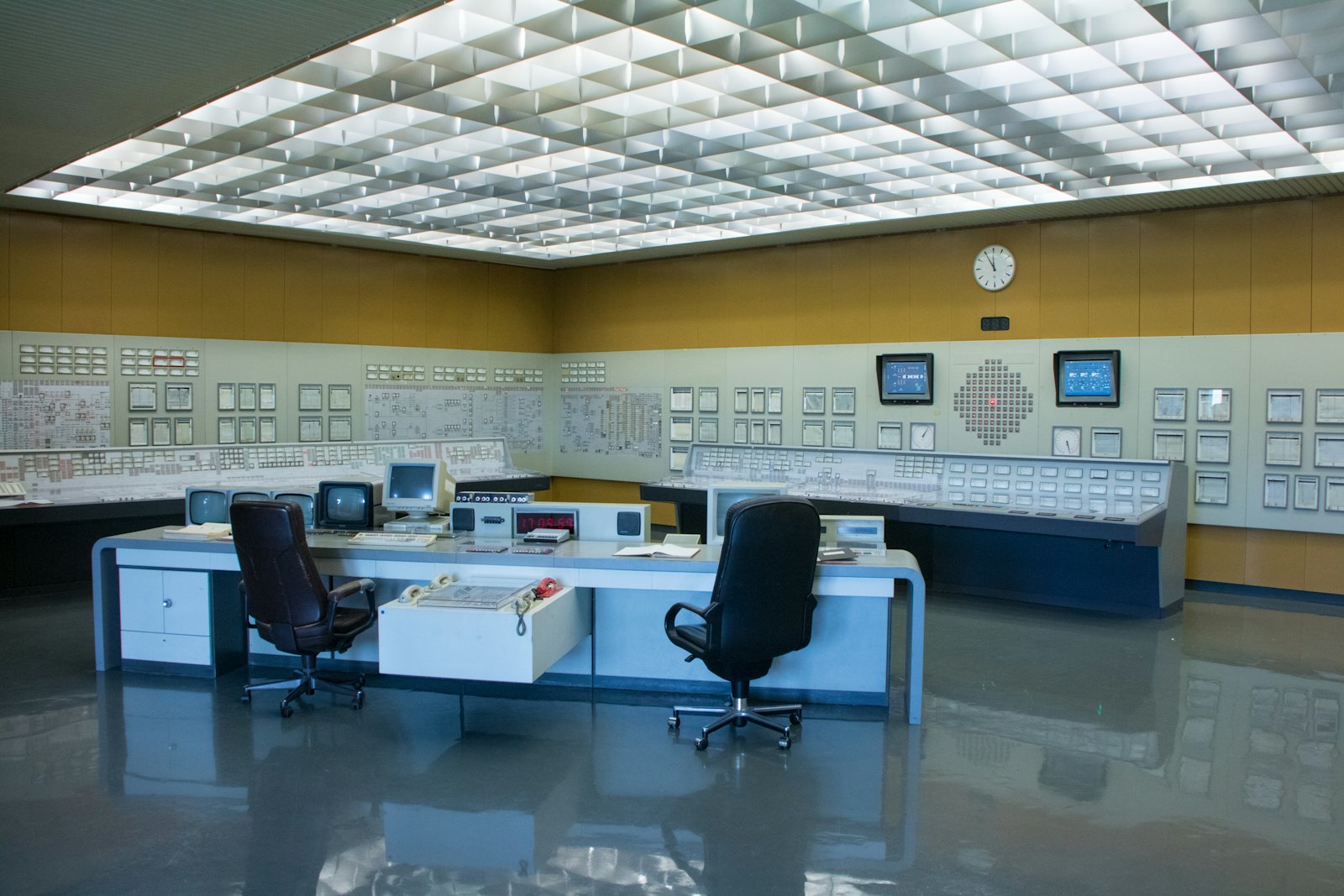
Walk into almost any building operations room and you'll find the same scene: several consoles, each from a different vendor, each blinking with alarms. Chillers, air handlers, lifts, fire panels, water tanks, sensors. Most alarms are harmless. A few are urgent. The trouble is telling them apart — fast.
Why more people isn't the answer
When alarms are missed, the instinct is to add another operator or another rule. But if every system reports in its own format and severity scale, more eyes simply mean more people staring at noise. Fatigue sets in, acknowledgements become reflexive, and the one alarm that matters gets the same glance as the hundred that don't.
If everything is urgent, nothing is. The fix is in how alarms are designed and delivered.
Three design principles that work
- One model for every system. Translate all alarms into a common structure: asset, location, type, severity. Now they can be compared.
- Correlate before you notify. A power dip can trigger dozens of downstream alarms. Group them into one incident with a probable cause.
- Route by role and escalate by silence. Send each incident to the person who can act, and escalate automatically if nobody acknowledges.
Where AI helps — and where it shouldn't
AI is excellent at spotting duplicates, learning which alarms are chronic nuisances, and ranking incidents by likely impact. It should never silently suppress safety-critical categories. Those follow explicit rules, and every automated decision should be logged and reviewable.
The outcome
Operators see a short, prioritised list of incidents instead of a wall of alarms. Technicians arrive knowing what happened and where. Managers get reliability data to plan maintenance instead of reacting to it.
That's the idea behind One Command — AI alert intelligence for HVAC, BMS, elevators and seismic sensors across your building portfolio.